

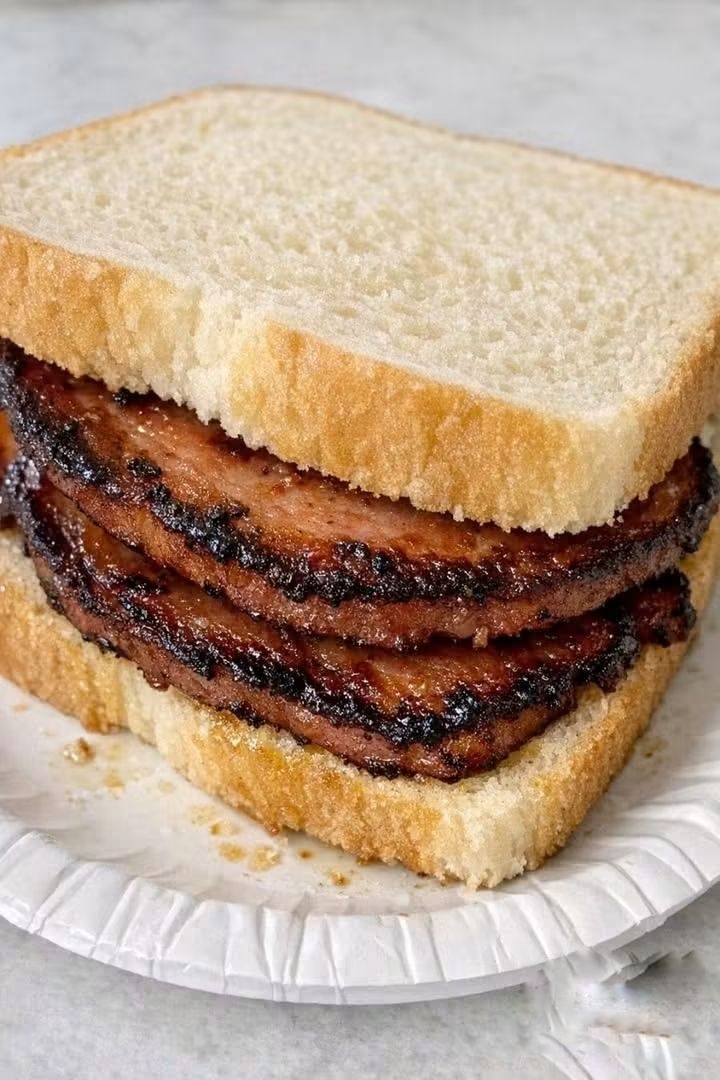
3-Ingredient Fried Bologna Sandwich – An Old-Fashioned Midwestern Classic
Introduction
There is something special about old-fashioned recipes that use just a few simple ingredients to create a meal that feels satisfying, familiar, and full of memories. This 3-Ingredient Fried Bologna Sandwich is a perfect example of traditional comfort food. Made with soft white bread, savory bologna, and a little butter or bacon grease, it transforms an everyday lunch into a warm, crispy, and delicious sandwich in just a few minutes.
For generations, simple sandwiches like this have been a practical choice in many American households. When grocery budgets were tight and families needed something filling without spending much money, a few slices of bologna and some bread could quickly become lunch or supper. Frying the bologna gave it a golden-brown exterior, slightly curled edges, and a deeper savory flavor that made an inexpensive ingredient taste extra special.
This recipe brings back the feeling of relaxed Midwestern porch suppers, when food was served without fuss and everyone gathered around the table or sat outside to enjoy the afternoon. There are no complicated sauces, no long ingredient lists, and no special cooking equipment required. Just heat a skillet, fry the bologna until the edges are crisp, and tuck it between two slices of soft white bread.
The secret to a memorable fried bologna sandwich is the contrast between textures. The bread stays soft, the bologna develops browned edges, and the warm cooking fat adds a rich, savory taste. Every bite delivers a simple combination that has remained popular because it is quick, inexpensive, and easy to prepare.
Whether you remember eating fried bologna sandwiches as a child or are discovering this classic for the first time, this recipe is an easy way to enjoy a little old-fashioned American cooking. Serve it hot with potato chips, dill pickles, or a fresh garden tomato, and you have a humble meal that proves delicious food does not need to be complicated.
What Is a Fried Bologna Sandwich?
A fried bologna sandwich is a traditional American sandwich made by frying slices of bologna in a skillet and serving them between pieces of bread. Unlike a cold bologna sandwich, frying gives the meat browned edges and a more pronounced savory flavor.
The sandwich can be prepared in many ways. Some people prefer soft white bread, while others enjoy toasted bread. Mustard, mayonnaise, American cheese, onions, and pickles are common additions in various households.
This three-ingredient version keeps things simple. It uses only bread, bologna, and butter or bacon grease. The result is a straightforward sandwich that highlights the flavor of the fried meat without relying on additional toppings.
Recipe Details
- Recipe Name: 3-Ingredient Fried Bologna Sandwich
- Preparation Time: 2 minutes
- Cooking Time: 4–6 minutes
- Total Time: Approximately 6–8 minutes
- Servings: 1 sandwich
- Course: Lunch or quick supper
- Cuisine: American, Midwestern-inspired
- Cooking Method: Pan-frying
- Difficulty: Very easy
- Main Ingredients: Bread, bologna, and butter or bacon grease
Ingredients for 3-Ingredient Fried Bologna Sandwich
One of the best things about this recipe is that it requires only three basic ingredients. Each ingredient plays an important role in creating the familiar taste and texture of this old-fashioned sandwich.
1. Two Slices of Soft White Sandwich Bread
Soft white bread is the traditional choice for this simple sandwich. Its mild flavor allows the savory bologna to remain the star of the meal.
Choose fresh bread that is soft enough to fold slightly around the filling without falling apart. If you prefer a little more texture, you can lightly warm or toast the bread in the skillet after frying the bologna.
2. Two to Three Slices of Bologna
Use approximately 2–3 ounces of sliced bologna, depending on the thickness of the slices and how substantial you want your sandwich to be.
Thin slices develop crisp, curled edges quickly, while thicker slices remain meatier in the center. Both styles work well, so choose according to your preference.
If the bologna slices are very round and tend to puff up while frying, make a small slit from the outside edge toward the center of each slice. This helps them lie flatter in the skillet.
3. One Tablespoon of Salted Butter or Bacon Grease
Butter provides a familiar, rich flavor and helps the bologna brown in the skillet. Bacon grease is another traditional option that creates a deeper, smoky taste.
Use whichever ingredient you have available. Because bologna already contains fat and salt, you generally do not need to add extra salt to the sandwich.
Equipment Needed
You do not need special kitchen equipment to prepare a fried bologna sandwich. A few everyday tools are sufficient.
- A small or medium skillet.
- A spatula for turning the bologna.
- A sharp knife for making a small slit in the slices, if needed.
- A plate for assembling the sandwich.
- A paper towel for absorbing excess grease, if desired.
Instructions: How to Make a 3-Ingredient Fried Bologna Sandwich
Step 1: Prepare Your Ingredients
Begin by gathering your bread, bologna, and butter or bacon grease.
Remove the bologna from the refrigerator just before cooking. Separate the slices carefully so they are ready to place in the skillet.
Place the bread on a clean plate or cutting board. Having everything prepared before heating the pan makes the process quick and easy.
Step 2: Heat the Skillet
Place a small skillet over medium heat and allow it to warm for approximately one or two minutes.
The skillet should be hot enough to brown the bologna but not so hot that the butter burns or the meat develops dark spots before warming through.
Controlling the heat is important because the goal is to create golden-brown edges while keeping the cooking process manageable.
Step 3: Add the Butter or Bacon Grease
Add one tablespoon of salted butter or bacon grease to the warm skillet.
Allow the butter to melt or the bacon grease to become hot. Gently tilt the pan so the fat coats the bottom in a thin, even layer.
If using butter, reduce the heat slightly if it begins to brown too quickly or smoke. You want the fat hot enough to help the bologna crisp without burning.
Step 4: Prepare the Bologna Slices
If the bologna slices are thick or very round, use a clean knife to make a small slit from the outer edge toward the center.
This simple trick helps prevent the slices from curling excessively in the middle. Some curling is desirable because it creates those characteristic crispy edges, but a small slit can help the meat cook more evenly.
If your slices are thin and lie flat naturally, you can skip this step.
Step 5: Fry the Bologna
Place the bologna slices in the skillet in a single layer. Leave enough room between the slices for the heat to circulate.
Cook the first side for approximately 2–3 minutes, watching as the edges begin to curl and turn golden brown.
The exact cooking time depends on the thickness of the bologna, the type of skillet, and the temperature of your stove.
Allowing the slices to brown properly helps develop the savory flavor that makes this sandwich so satisfying. Avoid moving them around too frequently, as they need contact with the hot skillet to develop crisp edges.
Step 6: Flip and Cook the Other Side
Use a spatula to turn each slice carefully.
Continue cooking for another 1–2 minutes, or until the second side is browned and the bologna is thoroughly heated.
If you prefer extra-crispy edges, allow the slices to cook slightly longer while watching carefully to prevent burning.
For a richer flavor, you can spoon a small amount of the hot cooking fat over the bologna as it finishes cooking. This is optional because the slices will already have absorbed some of the fat from the skillet.
Step 7: Warm the Bread
While the bologna finishes cooking, prepare the bread.
For the traditional soft sandwich, simply leave the bread as it is. The contrast between soft bread and crisp-edged bologna is part of the appeal.
If you prefer slightly warmed bread, remove the cooked bologna and briefly place the bread slices in the skillet for a few seconds on each side.
You can let the bread pick up a little of the remaining cooking flavor, but avoid leaving it in the pan too long if you want it to remain soft.
Step 8: Assemble the Sandwich
Place one slice of bread on a clean plate.
Arrange the hot fried bologna slices on top, stacking them neatly so each bite contains a good amount of filling.
If there is a small amount of cooking fat left on the bologna, allow it to flavor the bread naturally. There is no need to add extra grease if the sandwich already looks sufficiently rich.
Place the second slice of bread over the filling and press down gently with your hand or a spatula to help the sandwich hold together.
Step 9: Serve Immediately
Serve the sandwich while the bologna is still warm and the edges remain crisp.
Cut it in half if desired, or enjoy it whole. A plain plate, a handful of potato chips, and a cold drink are all you need for a simple lunch inspired by old-fashioned Midwestern cooking.
Your three-ingredient fried bologna sandwich is ready to enjoy!
Cooking Methods and Techniques
Pan-Frying for Crispy Edges
Pan-frying is the traditional method for preparing this sandwich. The direct heat of the skillet browns the outside of the bologna and creates crisp edges while warming the center.
Medium heat is usually a good starting point. If the pan is too cool, the bologna may warm without browning properly. If the pan is too hot, the butter can burn before the slices develop an even color.
How to Get the Best Texture
The best fried bologna sandwiches combine soft bread with browned, slightly crisp meat.
For a softer result, cook the bologna just until heated through with light browning around the edges. For a crispier result, let the edges develop a deeper golden color, checking frequently to prevent burning.
Thin slices usually crisp faster than thick slices, so adjust the cooking time accordingly.
Should You Cut the Bologna?
Cutting a small slit from the edge toward the center helps reduce excessive curling. This is particularly useful with thick or very round slices.
You do not need to remove the center or cut the bologna into pieces. A single small slit is generally sufficient.
Should You Toast the Bread?
Toasting is optional. Soft white bread gives the sandwich a traditional, tender texture, while lightly toasted bread provides a little more crunch.
If you choose to toast the bread in the skillet, do so briefly after removing the bologna. This lets you use the remaining flavor in the pan without making the bread excessively greasy.
The History of Fried Bologna Sandwiches
Bologna sandwiches have long been associated with practical, everyday American cooking. Bologna is a processed sausage traditionally sold in sliced form, making it convenient for lunches, quick suppers, and sandwiches prepared at home.
Its popularity grew alongside the wider availability of commercially produced luncheon meats and packaged bread. These products allowed families to prepare inexpensive meals without spending hours in the kitchen.
Fried bologna became a familiar variation because heating the slices changes their texture and intensifies their savory flavor. The edges brown, the meat curls slightly, and the warm slices create a more substantial sandwich than the cold version.
In many households, fried bologna sandwiches became part of the everyday food traditions associated with rural communities, working families, and simple home cooking. They were easy to prepare on a stovetop and required ingredients that could often be found in an ordinary kitchen.
The sandwich also became associated with regional food traditions across parts of the American Midwest and South, although the precise ingredients and preferred preparation methods vary from family to family.
Some cooks use butter, while others prefer bacon grease. Some insist on soft white bread, while others toast their slices or add mustard, cheese, or pickles.
This three-ingredient version celebrates the simplest approach. It focuses on the essential combination of bread, fried bologna, and cooking fat rather than trying to turn the sandwich into something elaborate.
Although it may not be a fancy meal, it represents an enduring idea in home cooking: a satisfying dish does not need a long ingredient list to become a favorite.
Benefits of This Simple Recipe
1. Requires Only Three Ingredients
The biggest advantage of this recipe is its simplicity. With bread, bologna, and butter or bacon grease, you can prepare a hot sandwich without buying a long list of ingredients.
This makes it convenient when your refrigerator or pantry is running low and you need a quick meal.
2. Quick and Easy to Prepare
The sandwich takes only a few minutes to cook, making it useful for busy afternoons, quick lunches, or occasions when you do not want to prepare a full meal.
Because everything is cooked in one skillet, cleanup is also relatively simple.
3. Budget-Friendly and Practical
Bologna and bread are often relatively inexpensive ingredients, although prices vary by location and brand.
The recipe is also easy to scale. You can prepare one sandwich for yourself or cook several sandwiches in batches for a group.
4. Provides Protein
Bologna contains protein, which the body uses to build and maintain tissues and support normal bodily functions.
The amount of protein in the sandwich depends on the type and quantity of bologna used. Bread contributes some additional protein as well.
5. Easy to Customize
Although the original recipe contains only three ingredients, it can be adapted to suit different preferences.
Mustard, pickles, cheese, or sliced tomatoes can be added when desired. These extras are not necessary, but they allow you to create a different version without changing the basic cooking method.
6. Requires Minimal Equipment
You only need a skillet, a spatula, and a plate. There is no need for a blender, food processor, or complicated kitchen appliance.
This makes the recipe accessible to beginners and useful for simple home cooking.
A Note About Nutrition
Although this sandwich can be convenient and filling, it is not automatically a balanced everyday meal. Bologna is a processed meat that can be high in sodium and saturated fat, while butter and bacon grease add additional fat and calories.
For a more balanced meal, consider serving the sandwich with fresh vegetables or fruit. If you eat bologna regularly, compare product labels and choose options with less sodium when available.
Delicious Variations to Try
1. Classic Mustard Fried Bologna Sandwich
Spread a thin layer of yellow mustard over one or both slices of bread before assembling the sandwich.
The mustard adds a tangy flavor that cuts through the richness of the fried bologna. This is a popular addition in many American kitchens, although it makes the recipe a four-ingredient sandwich.
2. Cheesy Fried Bologna Sandwich
Place a slice of American cheese or cheddar on top of the hot bologna immediately after frying.
Allow the residual heat to soften the cheese, or return the assembled open-faced sandwich to the skillet briefly over low heat until the cheese melts.
For food safety, use clean utensils and a clean plate when assembling the sandwich.
3. Crispy Bacon-Grease Bologna Sandwich
Use bacon grease instead of butter to fry the bologna. The cooking fat adds a smoky, savory flavor that complements the browned edges.
Use a moderate amount because both bologna and bacon grease can be high in sodium and saturated fat.
4. Fried Bologna and Dill Pickle Sandwich
Add two or three dill pickle chips to the sandwich before placing the top slice of bread.
The pickles provide acidity and crunch, balancing the rich flavor of the meat. Pat them dry before adding them if you want to keep the bread from becoming soggy.
5. Fried Bologna and Tomato Sandwich
Add a thin slice of ripe tomato to the finished sandwich. The fresh tomato provides juiciness and a slightly sweet, refreshing flavor.
For the best texture, use a firm tomato and avoid adding too many slices, which can make the bread wet.
6. Extra-Crispy Bologna Sandwich
Use thin bologna slices and cook them until the edges become deeply golden and crisp.
Make sure the slices have enough space in the skillet. If the pan is crowded, the bologna may release moisture and steam rather than brown properly.
7. Toasted Bread Version
After frying the bologna, lightly toast both slices of bread in the skillet.
This version adds a delicate crunch while preserving the familiar savory flavor. Keep the toasting brief if you want the bread to remain tender in the middle.
What to Serve With a Fried Bologna Sandwich
This sandwich is traditionally served with simple sides that complement its savory flavor without requiring additional cooking.
Classic Side Dishes
- Potato chips: Their salty crunch makes them a natural companion to the soft sandwich.
- Salted crackers: A simple, inexpensive side that requires no preparation.
- Dill pickle chips: Add a tangy flavor and refreshing crunch.
- Sliced garden tomatoes: Provide freshness and a little natural sweetness.
- Potato salad: A traditional option for a more substantial lunch.
Fresh and Lighter Side Dishes
- Fresh cucumber slices: Crisp, cool, and refreshing.
- Green salad: Adds vegetables and variety to the meal.
- Carrot sticks: Provide crunch and a naturally sweet flavor.
- Fresh fruit: Apple slices, grapes, or melon offer a sweet contrast to the savory sandwich.
Drinks to Serve With It
An ice-cold glass of water is always a simple choice. Sweet tea, lemonade, or unsweetened iced tea also pair well with this old-fashioned lunch.
Choose whatever you enjoy, whether that is a cold drink served in a glass jar or a simple glass of water straight from the refrigerator.
Helpful Tips for the Best Fried Bologna Sandwich
- Use medium heat: This helps the bologna brown without burning the cooking fat.
- Choose your preferred thickness: Thin slices become crisp faster, while thick slices remain meatier.
- Make a small slit if needed: This helps prevent excessive curling.
- Avoid overcrowding the skillet: Fry multiple sandwiches in batches when necessary.
- Watch the edges: Bologna can brown quickly once the skillet is hot.
- Use fresh bread: Soft bread gives the sandwich its traditional texture.
- Drain excess grease if desired: A brief rest on a paper towel can reduce the amount of fat transferred to the bread.
- Assemble immediately: The sandwich tastes best when the bologna is hot.
- Keep the ingredient list simple: The original recipe relies on the flavor of the fried bologna rather than heavy toppings.
Common Mistakes to Avoid
Cooking Over Excessively High Heat
High heat can burn butter and cause the bologna to brown too quickly. Start with medium heat and adjust as needed.
Overcrowding the Skillet
Placing too many slices in a small pan can reduce browning and make the meat steam. Cook in batches when preparing several sandwiches.
Using Too Much Cooking Fat
The purpose of the butter or bacon grease is to help the bologna brown and add flavor. Too much can make the bread excessively greasy.
Leaving the Sandwich to Sit Too Long
The contrast between crisp-edged bologna and soft bread is best immediately after assembly. If the sandwich sits for too long, steam and moisture may soften the browned edges.
Forgetting Food Safety
Keep bologna refrigerated until you are ready to cook. Use clean plates and utensils, and do not place the cooked sandwich on a plate that held raw food or unwashed ingredients.
Storage and Reheating Instructions
Can You Store a Fried Bologna Sandwich?
This sandwich is best eaten immediately because the bread can absorb moisture and the fried edges can soften during storage.
If you have leftovers, refrigerate them promptly in a covered container. Perishable food should not remain at room temperature for more than two hours, or one hour when the surrounding temperature is above 90°F (32°C).
How to Store Leftover Fried Bologna
If possible, store the fried bologna separately from the bread. Place the cooked slices in a clean, airtight container and refrigerate them promptly.
For the best quality, use the leftovers within 3–4 days, provided they were handled safely and refrigerated promptly. Follow the package instructions for the original product and discard anything that has been stored improperly.
How to Reheat Fried Bologna
Place the cooked bologna in a skillet over medium-low heat. Warm it for a few minutes, turning as needed, until it is steaming hot throughout.
You generally do not need to add more butter or bacon grease because the bologna already contains fat. If the skillet is sticking, use only a small amount of cooking fat.
Can You Freeze Fried Bologna?
Cooked bologna can be frozen in an airtight, freezer-safe container, although its texture may change after thawing. For the best sandwich, freshly fried bologna is usually preferable.
If you freeze cooked leftovers, label the container with the date, thaw the food in the refrigerator, and reheat it thoroughly before serving.
Frequently Asked Questions
Why Do People Fry Bologna?
Frying bologna creates browned, slightly crisp edges and a stronger savory flavor. It also warms the meat, making it a comforting filling for a simple sandwich.
What Is the Best Bread for a Fried Bologna Sandwich?
Soft white sandwich bread is a classic choice because its mild flavor and tender texture complement the fried bologna. Wheat bread or lightly toasted bread can also work well.
Do I Need to Cut a Slit in the Bologna?
No. A small slit is optional. It helps prevent round slices from puffing up too much in the skillet, but thin slices may cook perfectly well without it.
Can I Use Olive Oil Instead of Butter?
Yes. Olive oil can be used to fry the bologna, although it changes the flavor slightly. The original three-ingredient recipe uses butter or bacon grease for a more traditional taste.
Can I Make This Sandwich Without Butter or Bacon Grease?
You can cook bologna in a good nonstick skillet with little or no additional fat because the meat already contains fat. The result may be somewhat different in flavor and browning, but it can still make a satisfying sandwich.
Is Fried Bologna the Same as a Regular Bologna Sandwich?
No. A regular bologna sandwich often uses cold slices of bologna, while a fried bologna sandwich features slices that have been heated and browned in a skillet.
Can I Add Cheese?
Absolutely. American cheese and cheddar are popular options. Adding cheese changes the recipe from three ingredients to four or more, but it creates a richer sandwich.
How Can I Make the Bologna Extra Crispy?
Use thinner slices, avoid crowding the skillet, and cook over medium heat until the edges are deeply golden. Watch carefully because the slices can brown quickly.
Is This Recipe Suitable for Meal Prep?
It is best prepared fresh because the bread can become soggy after refrigeration. However, you can portion the ingredients ahead of time and fry the bologna when you are ready to eat.
Approximate Nutritional Information
The nutritional content depends on the type of bologna, the bread, and whether you use butter or bacon grease. The following values are broad estimates for one sandwich prepared with two slices of white bread, 2–3 ounces of bologna, and one tablespoon of cooking fat.
- Calories: Approximately 400–550.
- Protein: Approximately 12–20 grams.
- Carbohydrates: Approximately 25–35 grams.
- Fat: Approximately 20–35 grams.
- Sodium: Can be high, depending on the bologna and bread brands.
These figures are estimates, not verified nutrition values. For a more accurate calculation, check the nutrition labels on your ingredients and account for the actual amount of cooking fat consumed.
Because bologna is processed meat and can contain substantial sodium and saturated fat, this sandwich is best enjoyed as part of a varied eating pattern rather than relied upon as an everyday source of nutrition.
Why Fried Bologna Sandwich Lovers Keep Coming Back
There is a reason simple recipes remain part of family cooking traditions long after more elaborate dishes have come and gone. They are familiar, easy to prepare, and often connected to memories of childhood lunches, grandparents’ kitchens, and relaxed family meals.
For many people, a fried bologna sandwich represents the pleasure of eating something warm and satisfying without making a production out of dinner. The smell of bologna browning in a skillet, the sound of the edges sizzling, and the feel of soft bread around the hot filling can make an ordinary meal feel special.
The recipe is also flexible enough to suit different preferences. Some people like their bologna lightly browned, while others prefer darker, crispier edges. Some enjoy the sandwich plain, while others add mustard, pickles, or melted cheese.
Its simplicity is part of its charm. You do not need expensive ingredients or special equipment to create a satisfying meal. A few familiar items and a hot skillet are enough to get started.
Whether you prepare it for a quick lunch, a simple supper, or a nostalgic weekend meal, the fried bologna sandwich offers a delicious reminder that comfort food can be wonderfully uncomplicated.
Conclusion
This 3-Ingredient Fried Bologna Sandwich is a timeless example of simple, satisfying home cooking. With soft white bread, savory bologna, and a little butter or bacon grease, you can prepare a hot sandwich with golden-brown edges and plenty of old-fashioned flavor in just a few minutes.
The recipe is quick, budget-friendly, and easy enough for beginner cooks. It also offers plenty of room for customization, whether you prefer extra-crispy bologna, lightly toasted bread, tangy mustard, or a slice of melted cheese.
For a classic presentation, serve the sandwich hot with potato chips, dill pickle chips, sliced tomatoes, or a simple glass of cold water. If you want to add freshness to the meal, a small green salad or a piece of fresh fruit makes a pleasant accompaniment.
Although this humble sandwich may not look fancy, its appeal lies in its simplicity. It brings together familiar ingredients, straightforward preparation, and a flavor that has earned a place in many American home kitchens.
Try this old-fashioned fried bologna sandwich the next time you want a quick and comforting lunch. Sometimes the simplest recipes are the ones worth remembering and sharing with the people you love.